EMF Assessment
A detailed evaluation of electromagnetic fields within the built environment, including electrical systems, appliances, and wireless infrastructure.
Why assess EMFs
Electrical and wireless technologies are part of modern buildings. In some situations, wiring errors, equipment placement, or external infrastructure can create higher field levels than expected.
Assessment allows these conditions to be identified and, where practical, reduced.
Measurements are taken using advanced professional instrumentation to identify where exposures are elevated, unusual, or unnecessary, particularly in areas where occupants spend extended periods such as bedrooms and living spaces.
When this assessment is relevant
- Concern about proximity to power lines, substations or smart meters
- Symptoms occupants wish to investigate from an environmental perspective
- Planning a renovation or purchase
- Designing a new build with low-EMF principles
- Verification after electrical works or solar installation
What the assessment involves
AC Magnetic Fields
Measured with professional gauss meters including the NFA 1000 to assess fields from wiring, circuits, and appliances.
AC Electric Fields
Measured using NFA 1000 and other field meters to understand exposure at occupant level.
Dirty Electricity
High-frequency voltage transients are evaluated to determine whether wiring or equipment is contributing unnecessarily.
Radiofrequency (RF)
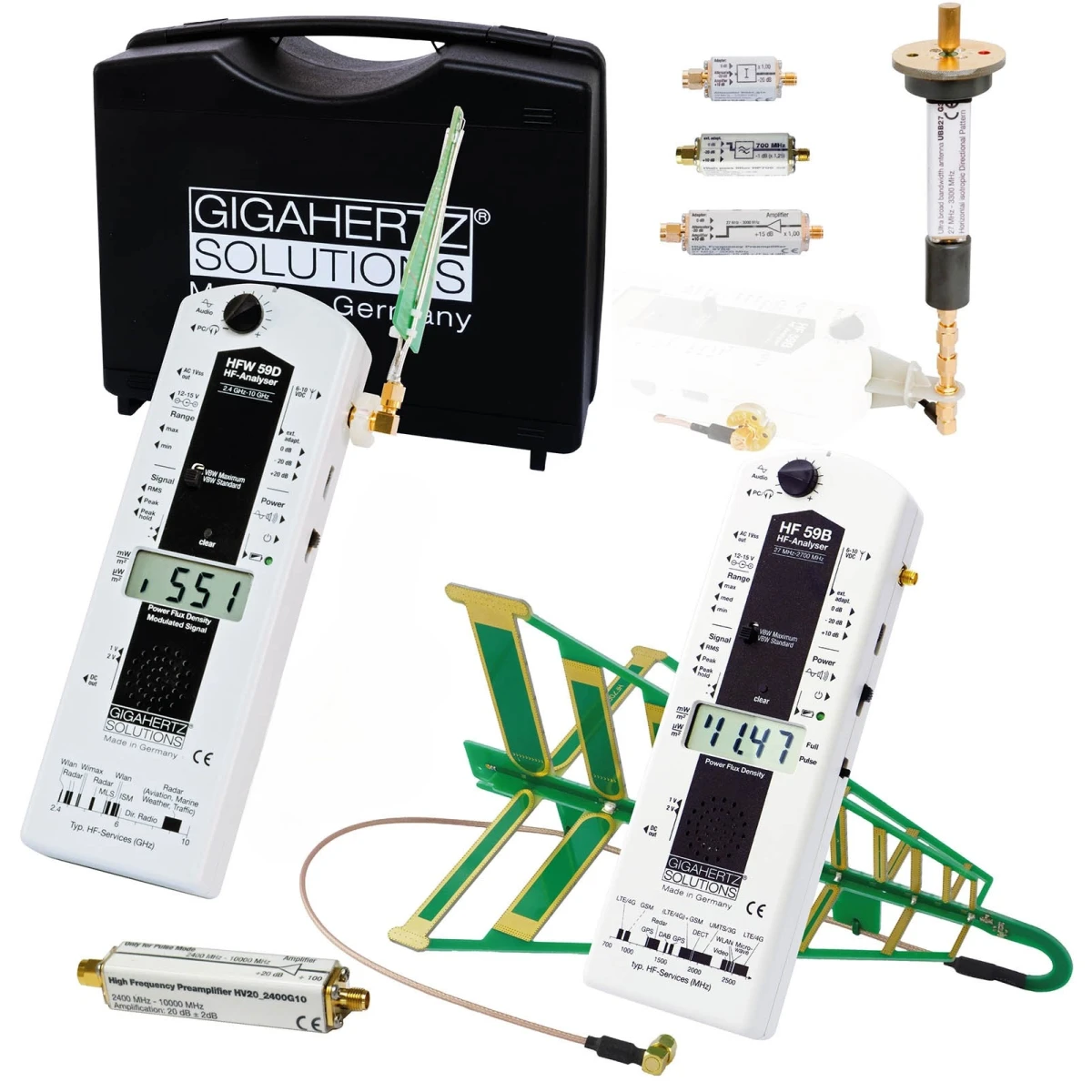
Wireless emissions from Wi-Fi, mobile devices and nearby infrastructure are measured using spectrum analysers including the HF59B/59D and other meters.
Outdoor sources
Nearby infrastructure such as transformers, distribution lines and telecommunications equipment are considered.
Recommendations
Results are prioritised, and practical strategies are provided. These may include relocation of devices, wiring corrections, shielding approaches, or design adjustments.
What you receive
- Room-by-room measurement data
- Identification of primary contributors
- Focus on sleeping and high-occupancy areas
- Prioritised mitigation guidance
- Written summary of findings
A formal report suitable for design teams or documentation can be prepared if requested (additional cost).
Limitations
This assessment provides environmental measurements and practical reduction strategies. It does not diagnose medical conditions, define universal safe levels, or guarantee health outcomes.
Discuss Your Situation
An initial discussion helps determine whether this assessment is appropriate for your situation and what scope of work may be needed.